Putting the Native Plants Back
Time flies — we hear it constantly. Here's proof.
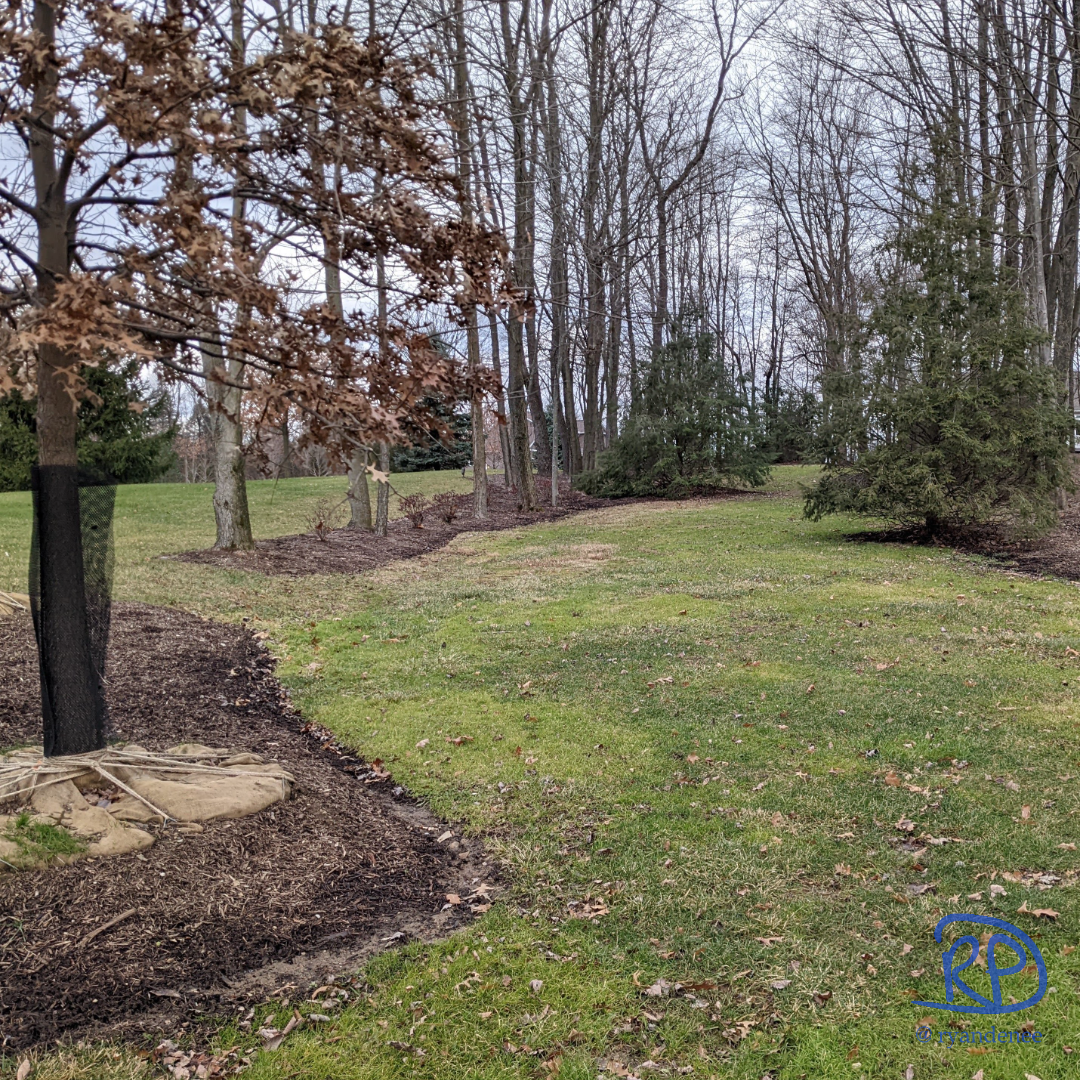
These before-and-after photos show a woodland-native garden we installed (designed by @militcadenee) on a site with a complicated history. Back in the 1950s, a service road ran through this area during interstate construction. By the time we got here, it had become neglected mulch beds, struggling grass, washouts, and runoff on a dry, compacted ridge.
The goal was a seasonally interesting garden using natives that flower across the seasons — not a wildflower prairie, which wouldn't belong here. We're in the woods. A good garden fits its ecological location. We also hoped to slow the water, reduce runoff, and give the established trees a little more moisture to work with.
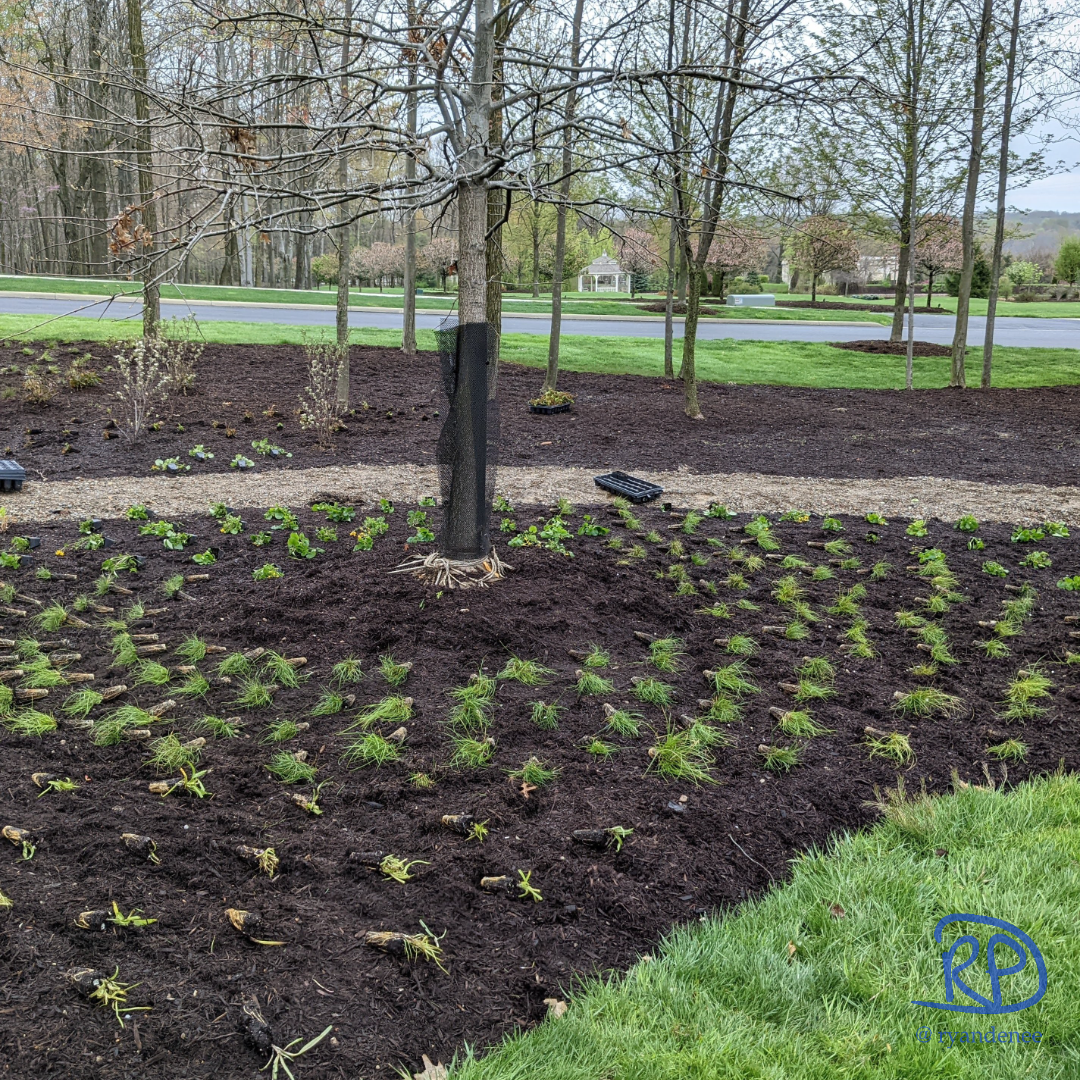
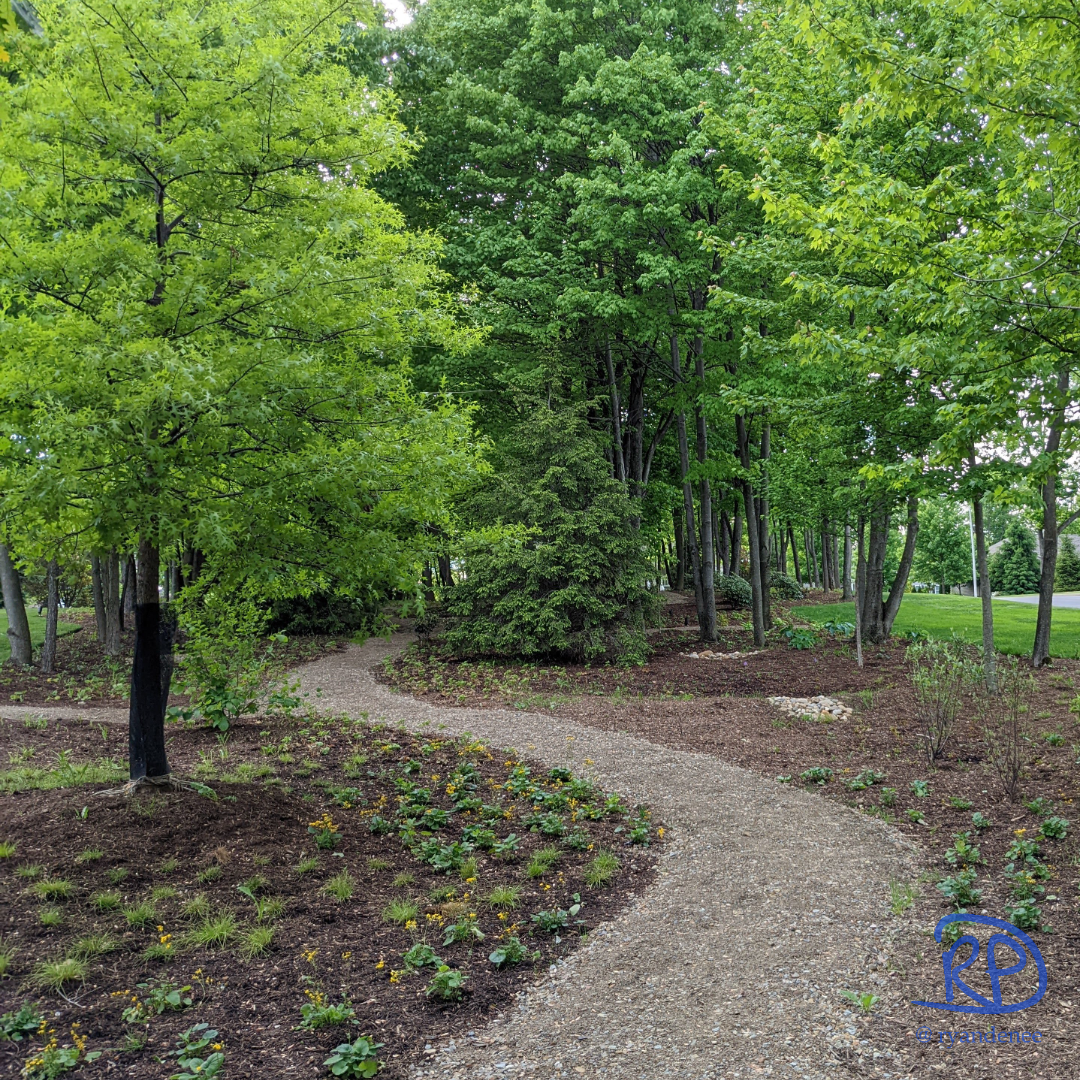
A lot of frustrating sod removal and 30,000+ plants later, the garden was born — and it has flourished.
Dense planting reduced weed pressure from the start. Maintenance dropped. Mulching is now mostly limited to the edges to define a clean line.
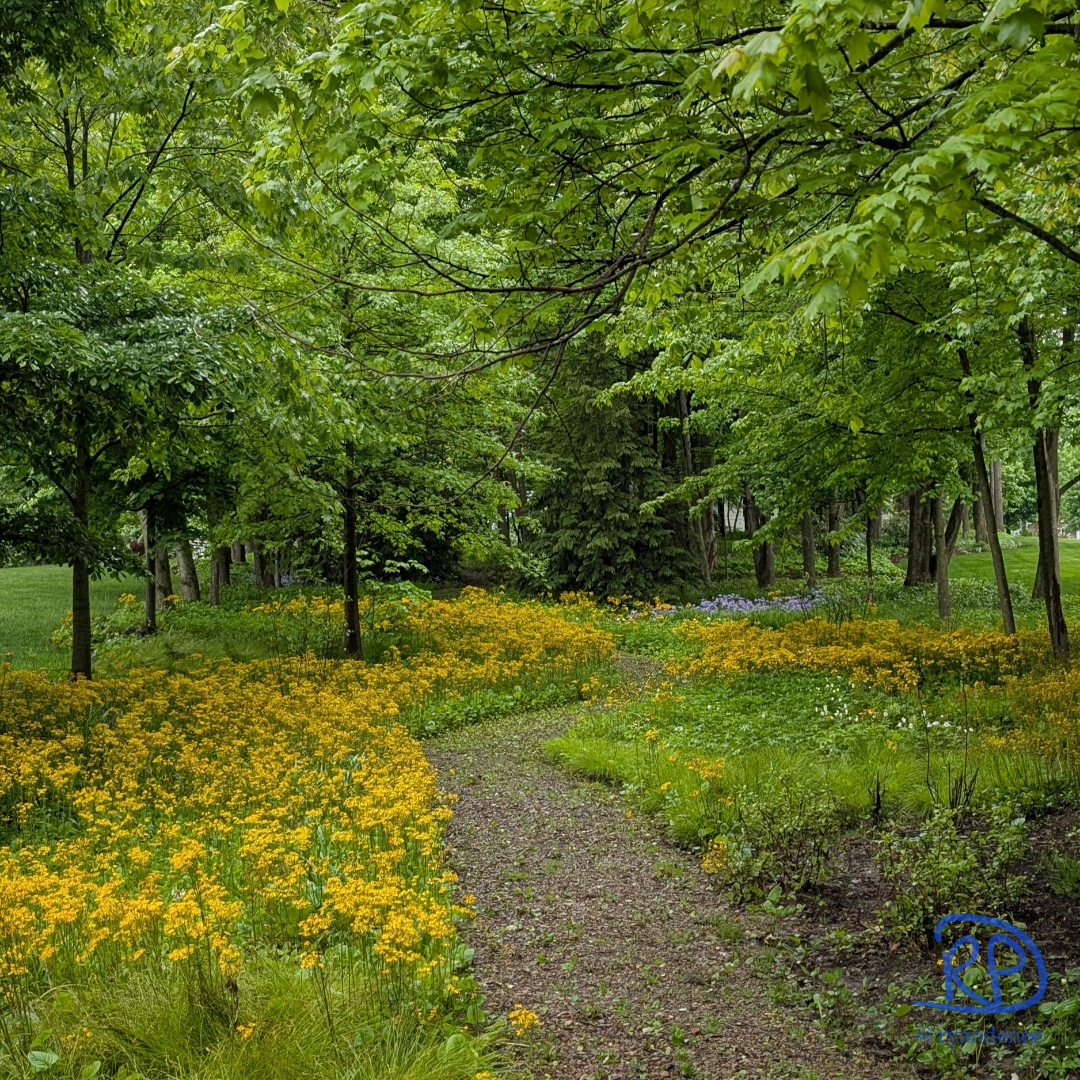
The challenge now is keeping the garden from reshaping itself. Golden Ragwort and Wood Aster seeds aggressively drift into neighboring plants' territory. We've been editing seedlings, but one thought is to step back and let nature negotiate — it may do a better job than we would.
It has become a place to stop. Sit on a bench. Listen to birds that weren't there before. Notice a native that seeded itself in an unexpected place.
Each spring, Packera aurea — Golden Ragwort — opens in a sea of yellow. Woodland Phlox (Phlox divaricata 'Blue Moon') follows close behind. Then the rest unfold through summer, finishing in fall when the woodland asters fill with pollinators, making their last preparations before winter.
Enjoy the before, during, and after.