When a Tree Becomes Lumber
I watched the elm for many years.
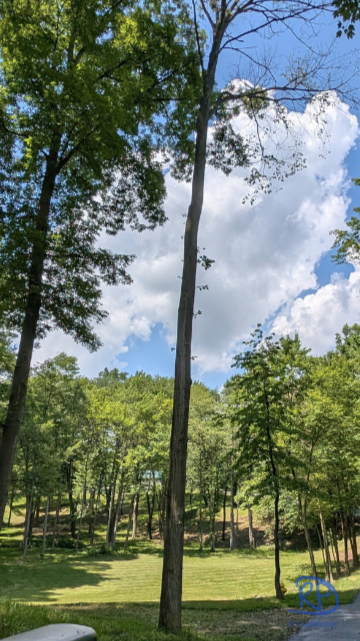
It stood tall and pristine, a straight trunk over fifty feet high and nearly two feet wide, and I knew what was coming. Dutch elm disease doesn’t rush; it arrives slowly—a yellowing branch, then another—thinning the crown and taking branches one by one. Each season, I examined it more closely—not just for its decline, but for its shape, its structure, and what it had already made.
Even then, I could see its potential to be more.
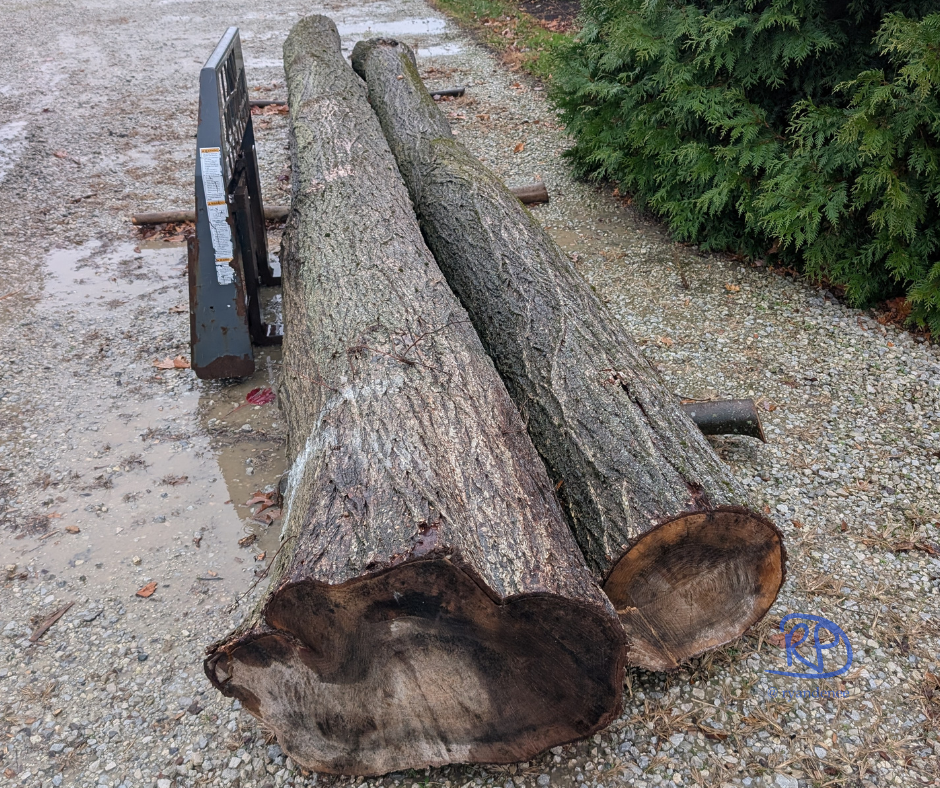
When the tree finally came down, it didn’t feel like removal. It felt like a transition. The trunk revealed what I had been noticing all along—length, consistency, years of patient growth stacked into grain and ring. Logs rested on the ground, waiting—not as waste, but as material. Most of us walk past trees like this every day without realizing what they’re already holding.
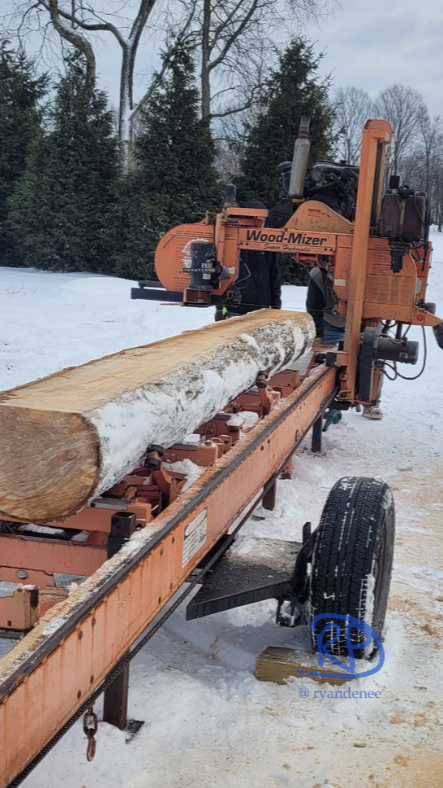
At first, I didn’t know how to take the next step. Milling a single yard tree isn’t common, and it took time to find someone willing to work differently—to slow down, bring a portable mill, and see one tree as worth the effort.
Most trees removed from yards don’t get that chance. The economics don’t support it. Landscapers arrive with chippers, not mills. A crew can turn a tree into chips in hours—bundle it, haul it, finish the job. Milling takes days, then months—sometimes longer. It requires careful cutting, space to work, and room to stack wood that won’t be usable for quite a while.
There’s practical risk, too. Yard trees collect history invisibly—nails, wire, fence staples grown over by bark. Any one of them can destroy a mill blade. From the perspective of most operations, it’s easier to chip than to look closely.
But there’s a different ending available. It starts with a simple question when a tree falls: What if this becomes something we keep? I learned that there are people who work this way—quietly, locally—willing to slow down and treat a single tree as worth the effort.
Standing beside the mill as boards came out, the elm felt fully present again. Not alive, but still useful. Still honest. The smell of freshly cut wood hung in the air—clean and mildly sweet—as each pass of the blade released something that had been quietly held for decades.
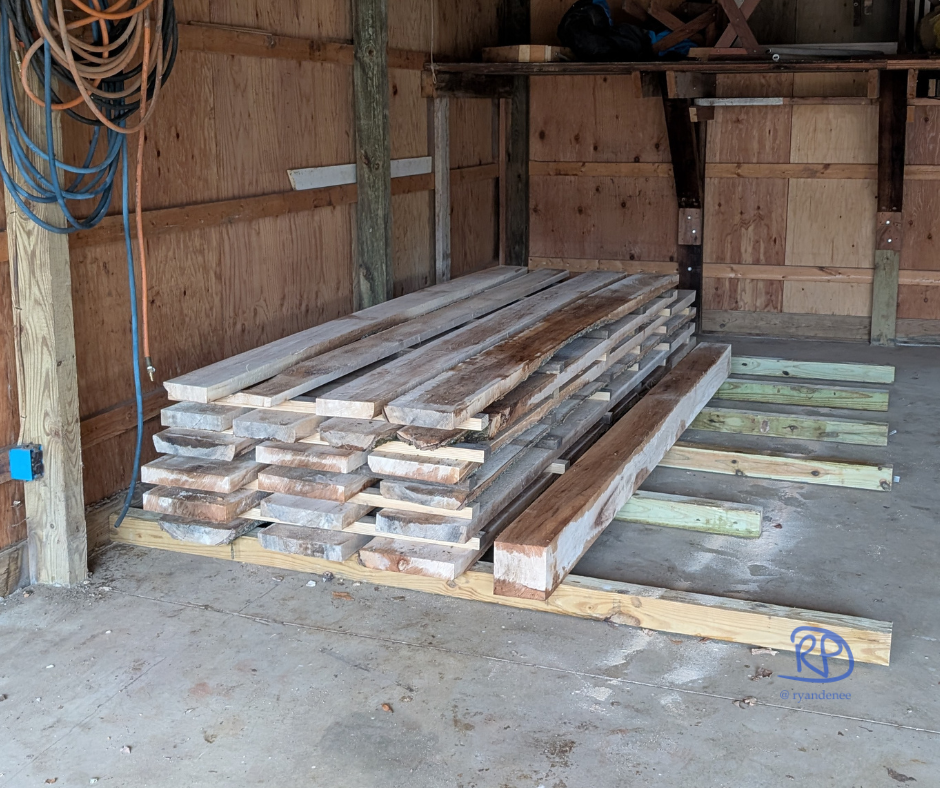
Now the boards are stacked and stickered, air moving slowly between them. They take up more space than I expected, and they ask for patience every time I walk past. Drying takes time, and for now, the tree’s only job is to wait.
I don’t yet know exactly what this wood will turn into. A bench, a table, something simple and useful—or maybe nothing right away. The possibility feels more important than the plan.
Chipping is quick. Firewood is useful. But lumber invites us to slow down—to recognize what already exists before it vanishes. To see a tree not just as something that was, but as something it might still become.
Not every tree is worth milling, but some are.
Sometimes care starts with watching—long before a tree falls, in learning to notice what is already there.