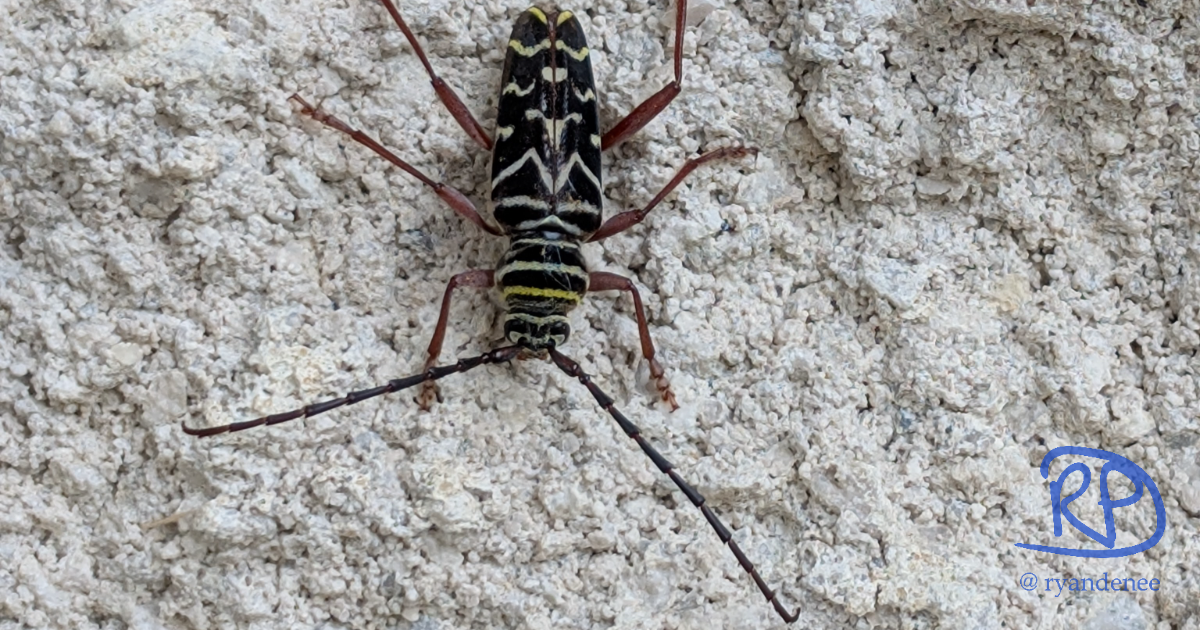
#006 - Hickory Borer (Megacyllene caryae)
A native longhorn beetle
On warm spring days, this slender beetle sometimes appears on the sunlit side of a recently fallen hardwood.
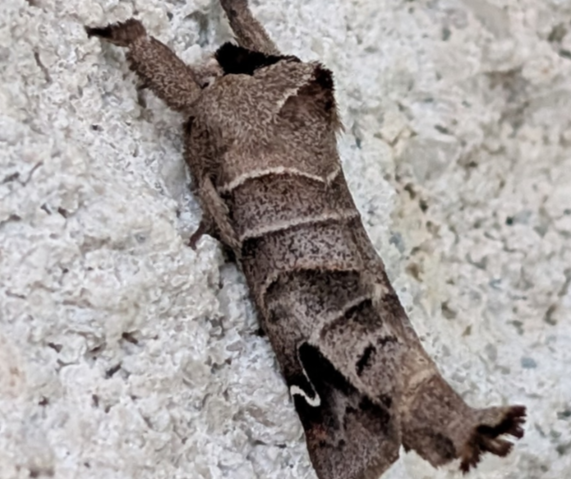
#005 - Sigmoid Prominent (Clostera albosigma)
I don’t often see this moth during the day. When I do, it’s pressed against the pale bark of a willow or young cottonwood, with wings folded tightly and body angled upward, as if it grew there.
At first, it disappears.
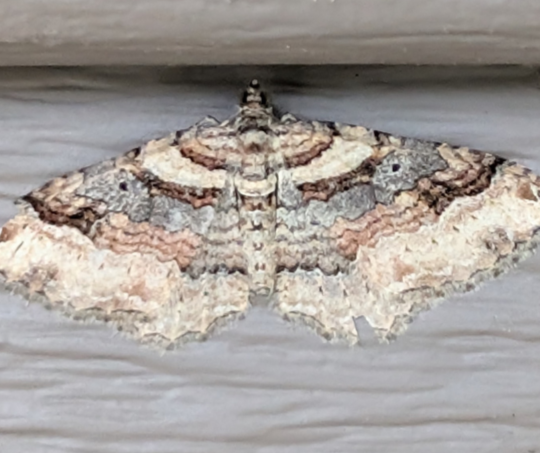
#004 - Bent-line Carpet Moth (Costaconvexa centrostrigaria)
I usually notice this one only after it has already stopped moving.
Pressed flat against bark or siding, the wings held open and still, the moth looks less like an insect and more like pattern—something woven into the surface itself.
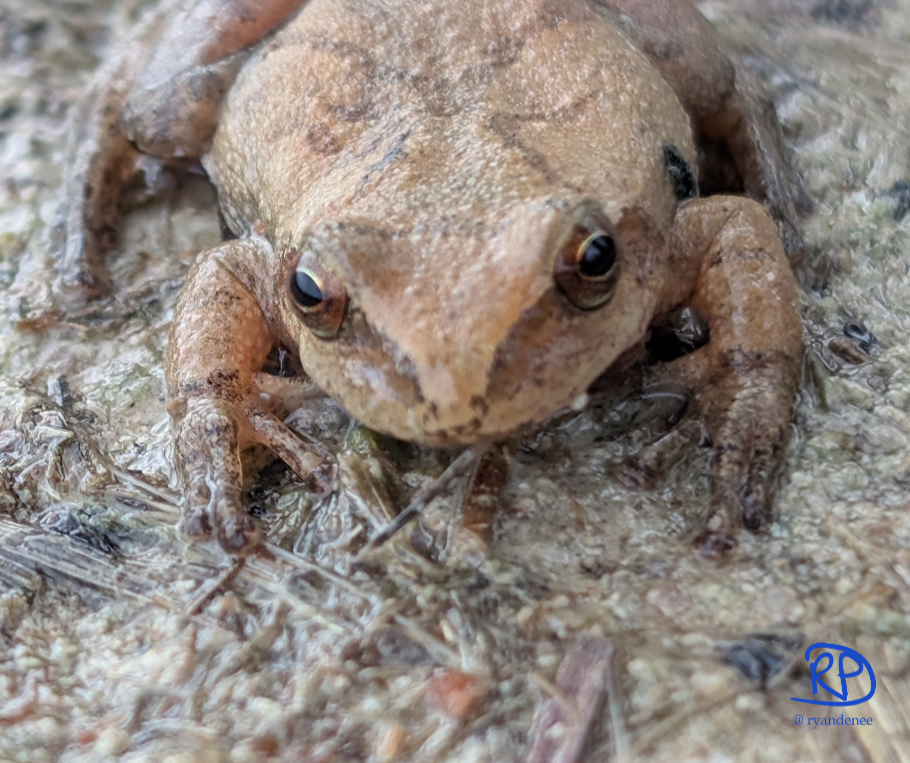
#003 - Spring Peeper (Pseudacris crucifer)
Sometimes weeks pass before spring feels believable.
When the forecast still calls for single digits Fahrenheit—or dips toward –20°C—and winter hasn't loosened its grip, my mind is already listening for peepers, one of the first signs that spring has finally arrived.
That thin, rising chorus drifting from ditches, vernal pools, and low woods is one of the earliest true signals that the year is turning.
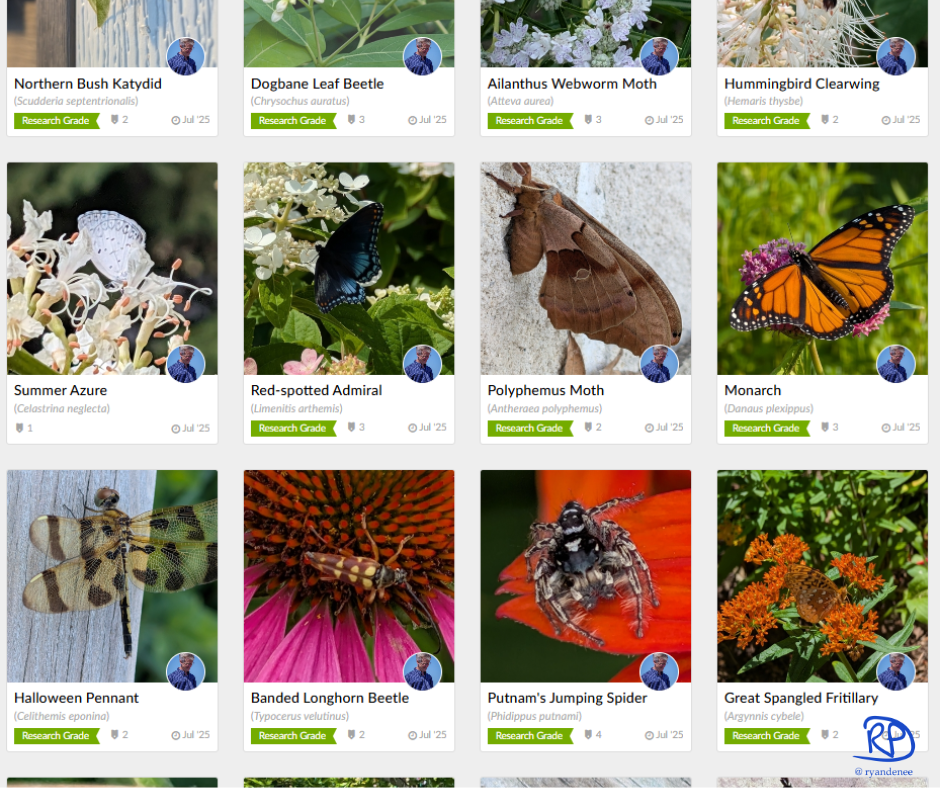
Why Bio Profiles?
When we walk through a garden, the first things we notice are the obvious ones—the trees, the shrubs, the flowers. In most gardens, these are known. They’re labeled, recognized, or at least familiar. We say, oh, that’s this tree or that flower. Even if we don’t know the Latin name, we usually know a common one—sometimes local, sometimes idiosyncratic, sometimes surprisingly creative.
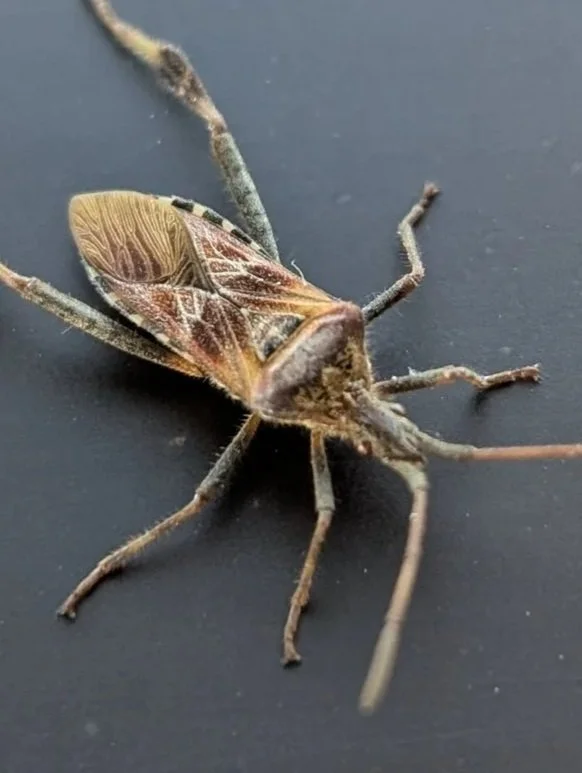
#002 - Western Conifer Seed Bug (Leptoglossus occidentalis)
You usually notice this one indoors.
Large. Brown. Slow-moving.
Often mistaken for a stink bug — but it isn’t.
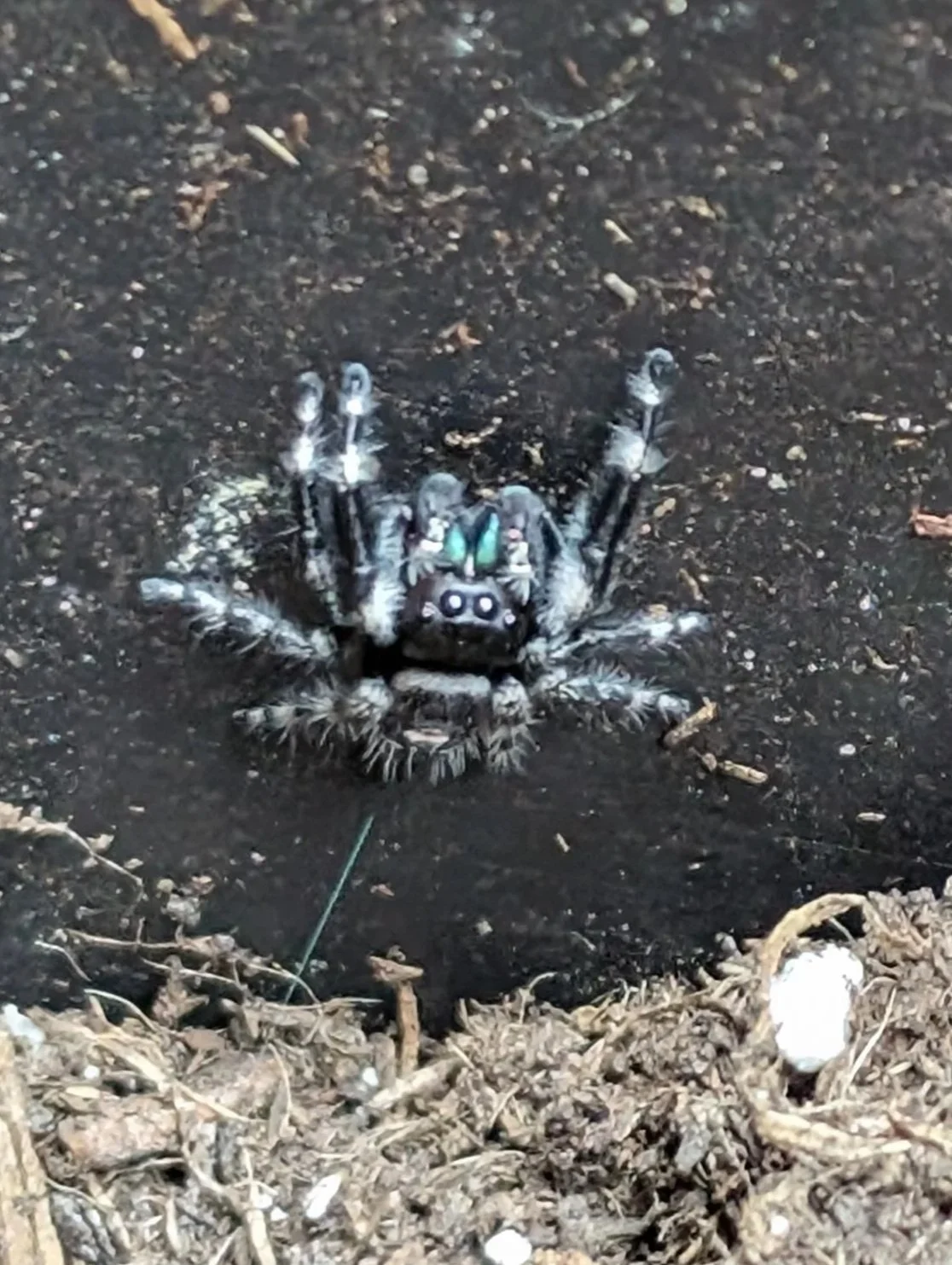
#001 - Bold Jumping Spider
I usually notice them because of the pause.
A tiny, dark shape on a fence post or leaf edge, suddenly still—then turning unmistakably toward me. Not away. Toward. A spider that looks back…